


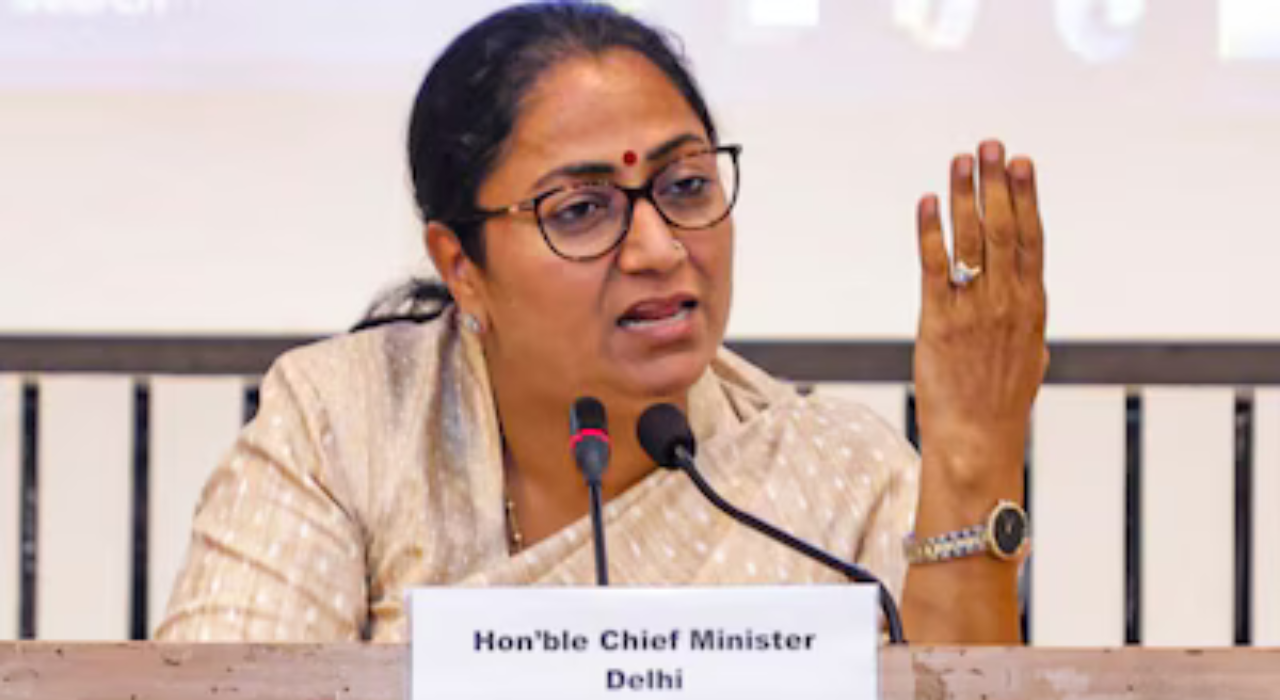
New Delhi, September 20, 2025 — Delhi Chief Minister Rekha Gupta on Saturday laid out a visionary plan to transform the national capital into a top-tier education hub. Speaking at the inauguration of Swami Vivekananda Bhawan at B R Ambedkar University’s Karampura campus, Gupta emphasized that while Delhi may face restrictions developing as an industrial center, it holds immense potential to become the foremost destination for quality education in India.
“The biggest sector we can work on in Delhi is to make the city an education hub. Students searching for the best place to get education should think of Delhi first,” said CM Gupta. She assured that the government would allocate all necessary resources to strengthen the education infrastructure, aiming to make the system so strong that students would no longer need to seek higher studies abroad.
This educational transformation aligns with multiple government initiatives including the recent launch of three new academic programs—Rashtraniti, NEEEV, and The Science of Living—geared towards fostering leadership, entrepreneurship, creativity, and well-being among students from the primary to higher secondary levels. These programs aim to nurture future job creators and responsible citizens by integrating innovation and holistic development into the curriculum.
The Delhi government has also committed to a robust upgrade of government schools, with plans to deploy 5,000 AI-enabled smart classrooms, 100 ICT labs, and 450 language labs by the end of 2025. This ambitious project seeks to modernize learning environments citywide, reinforcing foundational literacy and numeracy under the NIPUN Bharat mission and ensuring inclusive education opportunities.
Education Minister Ashish Sood highlighted ongoing outreach efforts, noting that public institutions like Ambedkar University are contributing beyond academics by engaging with local communities, adopting slum clusters, and promoting environmental restoration. “Spending on education is not expenditure, it is the biggest investment for the future,” he remarked.
Funding for these educational initiatives remains significant, with a reported Rs 900 crore allocated for smart classroom infrastructure and several crores earmarked for entrepreneurship programs like NEEEV to prepare students for the modern economy.
With these steps, Delhi aims to set a new benchmark nationally and globally as a hub of academic excellence, innovation, and student-centered learning.