


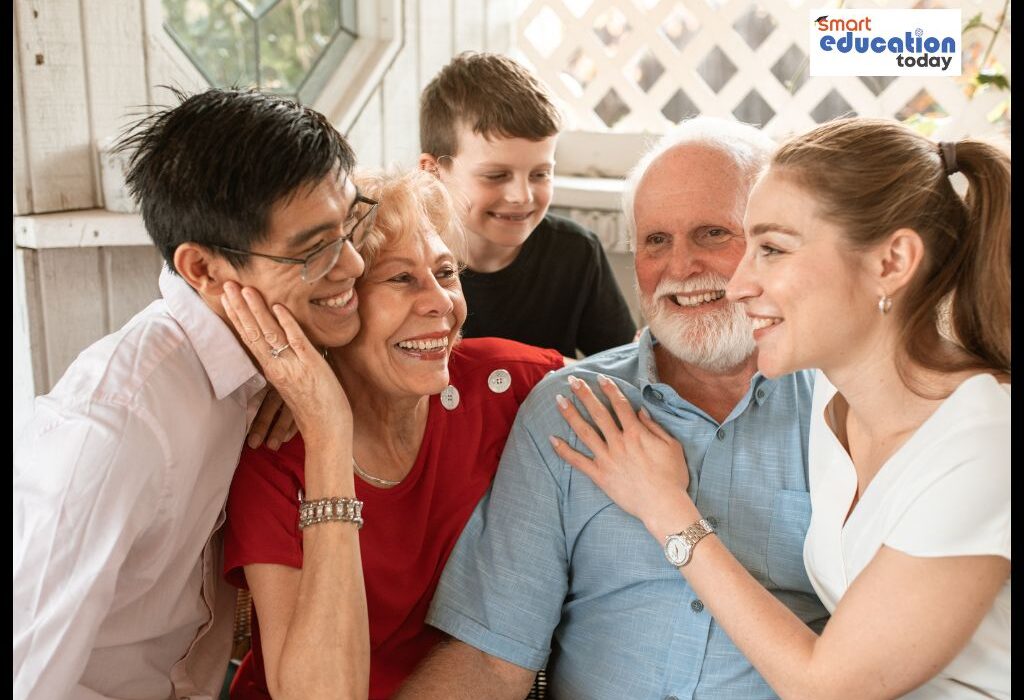
Multicultural families are becoming more prevalent as globalization transforms contemporary culture. More parents are negotiating the challenges and rewards of raising multicultural children, whether through international migration, intercultural marriages, or global mobility. One in seven American children (14 percent) currently come from mixed-ethnic families, a percentage that is steadily increasing, according to the Pew Research Center. According to the United Nations, 281 million individuals have migrated abroad, resulting in communities that are culturally diverse.
Although there are particular difficulties in raising children in these dynamic environments, there are also many chances to promote inclusive parenting, expand children’s perspectives, and celebrate family diversity. Here are some strategies for parents to accept cultural diversity, deal with differences, and give their kids the tools they need to succeed in a globalized society.
The Advantages of Bringing Up Multicultural Kids
Multicultural homes give kids important life skills, according to research. Being exposed to a variety of languages, customs, and viewpoints from childhood improves emotional intelligence, fortifies problem-solving skills, and fosters tolerance. According to studies, kids who grow up in varied households are more understanding, flexible, and open-minded—qualities that are crucial for surviving in the globalized world of today.
Teaching Tolerance and Respect Across Cultural Boundaries
Children raised by intercultural parents are exposed to a diverse range of cultures, languages, and beliefs in their daily lives. More than 13% of American children have at least one parent who was born outside of the country, providing them with a wealth of cultural experiences, according to the Migration Policy Institute.
In multicultural households, parents can foster teaching respect by combining customs, such as celebrating Thanksgiving and Diwali simultaneously. Children learn empathy and acceptance via candid conversations about religion, race, and cultural customs. The Journal of Cross-Cultural Psychology demonstrates that multicultural upbringings promote higher cultural intelligence, whereas the National Education Association emphasizes that early tolerance exposure creates lifelong inclusion.
Multilingualism: A Path to Inclusion and Identity
One of the most powerful gifts multicultural families can provide their children is multilingualism. Bilingual kids have better memory, creativity, multitasking, and decision-making abilities, according to research from the American Council on the Teaching of Foreign Languages.
Children can develop a supportive multicultural identity and enhance cultural links by speaking their native tongues at home, taking language programs, or connecting with extended relatives. Being multilingual increases cognitive flexibility, strengthens ties to one’s culture, and fosters a sense of belonging.
Handling Divergent Cultural Values
When conflicting cultural values arise, multicultural families frequently face difficulties. For example, one parent may place more emphasis on individuality, while the other promotes family interdependence and collectivism. These variations in multicultural parenting approaches are widespread, according to the American Psychological Association (APA).
The key is open communication. By combining viewpoints, encouraging individual success, and fostering family harmony, parents can align their ideals. This well-rounded strategy fosters inclusive parenting and encourages kids to value many points of view.
Leave feedback about this