In a landmark move, the Government of India is gearing up to overhaul the way higher education is regulated across the country. A new bill has been introduced in the Lok Sabha proposing the creation of a Higher Education Commission of India (HECI) — a single, powerful body that would replace three major regulatory authorities: the University Grants Commission (UGC), the All India Council for Technical Education (AICTE), and the National Council for Teacher Education (NCTE).
This move is part of the government’s effort to bring to life the transformative goals of the National Education Policy (NEP) 2020, which pushes for a more efficient, accountable, and innovative education system.
Why HECI? What’s Changing?
At present, Indian universities and colleges navigate a complex maze of regulations. UGC governs non-technical courses, AICTE controls technical education, and NCTE oversees teacher training. This fragmented approach often leads to delays, overlapping rules, and confusion for institutions and students alike.
HECI aims to fix that with a ‘single-window system’. It would streamline regulation, simplify funding approvals, fast-track accreditation, and set clear academic standards — all under one roof.
Union Minister of State for Education, Sukanta Majumdar, stated that HECI would function with independent verticals for regulation, funding, accreditation, and standard-setting. The idea is to reduce red tape and bring clarity, while also encouraging autonomy and innovation.
NEP 2020’s Vision in Action
HECI is a direct result of NEP 2020’s push for reforms. The policy champions autonomy, creativity, and transparency, balanced with accountability and strong governance. By separating different roles like funding and regulation, HECI is expected to end the age-old problem of overlapping authorities.
The government calls it a “light but tight” system — less bureaucratic control, but stricter monitoring where it matters.
What Does It Mean for Students and Colleges?
For students, this reform could lead to faster approvals of new courses, better accreditation of institutions, and more transparency in how colleges are funded and regulated.
For universities, it promises a clearer, quicker system for navigating approvals and compliance — reducing delays that previously stretched across multiple agencies.
In short, it could make life simpler for everyone involved in higher education.
A Reform Years in the Making
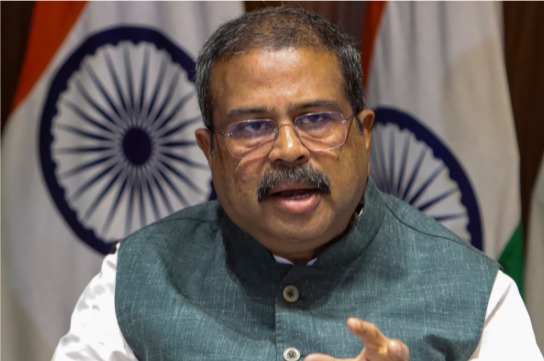
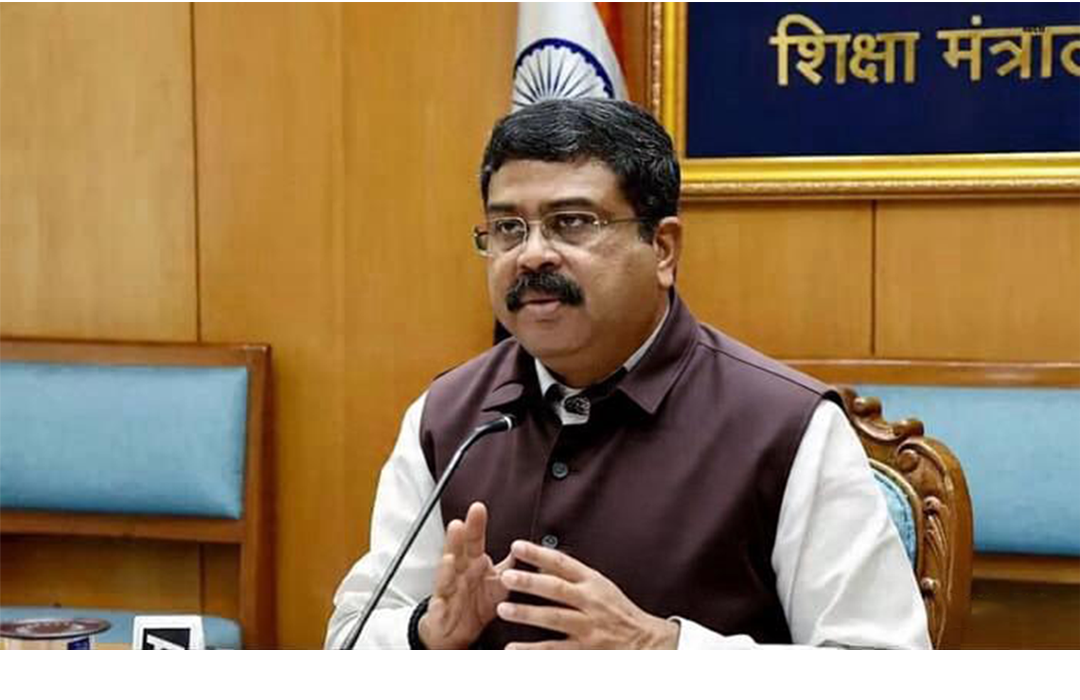
This isn’t the first time such an idea has been floated. A similar bill was drafted back in 2018 but didn’t move forward. Momentum returned in 2021 when Dharmendra Pradhan took over as Union Education Minister, and since then, work has quietly continued behind the scenes.
With the bill now formally introduced, the government seems ready to act on one of the most ambitious education reforms in India’s history.
Not Without Debate
Of course, big reforms come with big questions. While many experts welcome the efficiency HECI could bring, others worry it might lead to over-centralisation, limiting the freedom of institutions to make decisions best suited for their specific needs.
The Ministry has assured that the new system will respect institutional autonomy and use data-driven audits and public disclosures to ensure transparency — not micromanagement.
What’s Next?
As consultations continue with educators, administrators, and policy experts, the government is fine-tuning the bill. If passed, HECI could reshape the future of over 1,000 universities and 40,000 colleges, directly affecting millions of students and faculty across India.
Quick Facts:
- HECI will replace UGC, AICTE, and NCTE with one unified body.
- Follows NEP 2020’s vision of separating regulation, accreditation, funding, and standard-setting.
- Promises to simplify rules, reduce delays, and improve accountability.
- Could transform how higher education functions across India.
Stay tuned with SmartEducation Today for the latest updates on this transformative shift in India’s education system.